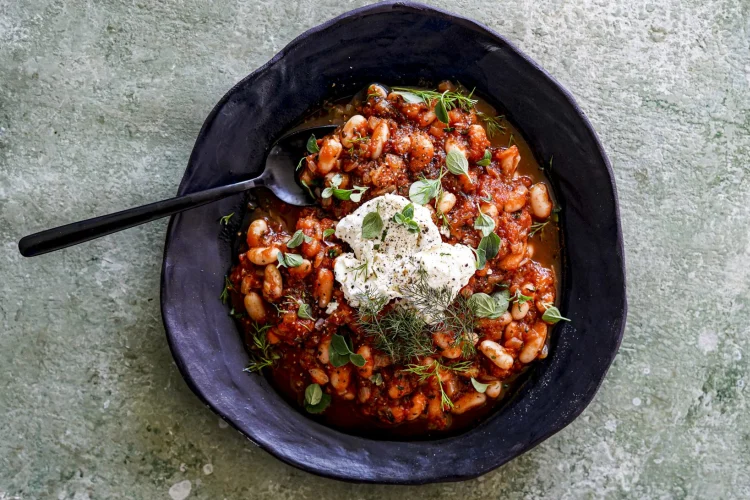
Introduction: How I Learned the Power of Quick Cooking
Between work, errands, and family, I often struggled to find time to cook. Takeout became the default, and I felt tired and unhealthy. Then I discovered 20-minute recipes—simple, flavorful meals that could be cooked in under half an hour.
Fast cooking doesn’t mean sacrificing taste or nutrition. With a few tricks, the right ingredients, and efficient techniques, I learned to make balanced, home-cooked meals in just 20 minutes.
In this guide, I’ll share practical tips, techniques, and quick recipe ideas for anyone who wants fast, healthy, and delicious meals.
Why 20-Minute Recipes Are Game-Changers
-
Save time: Perfect for busy weekdays
-
Healthy eating: Control ingredients and avoid processed food
-
Stress-free cooking: No long prep or waiting
-
Versatile meals: Breakfast, lunch, or dinner options
-
Cost-effective: Reduce reliance on expensive takeout
Even a few 20-minute recipes in your rotation can simplify your life and improve your health.
Key Principles for Cooking Fast
-
Prep Ahead: Wash vegetables, measure spices, or marinate proteins ahead of time
-
Simple Ingredients: Use quick-cooking proteins, canned beans, frozen vegetables, or pre-cooked grains
-
Efficient Techniques: Stir-frying, sautéing, and sheet-pan cooking save time
-
One-Pan Meals: Reduce cleanup and cook multiple ingredients together
-
Use Smart Tools: Non-stick pans, microwaves, or pressure cookers speed up the process
Fast Cooking Techniques
1. Stir-Fry Magic
-
Quick-cooking vegetables and proteins in high heat
-
Retains texture and nutrients
-
Sauce adds flavor in minutes
Example: Chicken stir-fry with broccoli, bell peppers, garlic, and soy sauce ready in 15–20 minutes
2. One-Pot Meals
-
Combine grains, protein, and vegetables in a single pot
-
Minimal cleanup and maximum efficiency
Example: Quinoa with chickpeas, spinach, cherry tomatoes, and olive oil
3. Sheet-Pan Cooking
-
Roast proteins and vegetables together on a single tray
-
20 minutes is enough if you slice vegetables thinly and preheat the oven
Example: Salmon fillets with asparagus and cherry tomatoes
4. Quick Breakfast Options
-
Eggs cook fast: omelets, scrambled, or frittatas
-
Add vegetables or leftover grains for a complete meal
Example: Spinach and tomato omelet with whole-grain toast ready in 10 minutes
5. Microwave & Pressure Cooking
-
Steam vegetables or cook grains quickly
-
Great for busy schedules and small kitchens
Example: Microwave “mug meals” with eggs, vegetables, and cheese
Practical Tips for 20-Minute Meals
-
Keep pantry staples: pasta, rice, canned beans, and spices
-
Pre-chop vegetables and store them in airtight containers
-
Batch-cook proteins like grilled chicken or boiled eggs
-
Rotate flavors: herbs, spices, and sauces prevent boredom
-
Use leftovers creatively: yesterday’s stir-fry can become today’s wrap
Common Mistakes to Avoid
-
Overcrowding pans, causing uneven cooking
-
Overcomplicating recipes with too many steps
-
Ignoring seasoning—taste and adjust as you cook
-
Not prepping ingredients before starting
-
Using slow-cooking proteins like large cuts of meat without pre-cooking
Quick 20-Minute Recipe Ideas
-
Garlic Butter Shrimp with Zucchini Noodles – 15 minutes
-
Chicken and Vegetable Stir-Fry – 20 minutes
-
Chickpea Salad with Lemon-Tahini Dressing – 10 minutes
-
Veggie Omelet with Cheese and Herbs – 10–15 minutes
-
Sheet-Pan Salmon with Broccoli and Bell Peppers – 20 minutes
Tip: Swap proteins, vegetables, or grains depending on what’s on hand. 20-minute meals are flexible and forgiving.
FAQs About 20-Minute Recipes
1. Are 20-minute meals nutritious?
Yes. Focus on vegetables, lean proteins, whole grains, and healthy fats for a balanced meal.
2. Can I really cook dinner in 20 minutes?
Absolutely. With prepped ingredients, quick-cooking proteins, and smart techniques, a full meal can be ready in 20 minutes.
3. Do I need fancy kitchen tools?
No. A sharp knife, non-stick pan, cutting board, and basic utensils are enough. Optional tools like microwaves or sheet pans help speed things up.
4. How do I save time during cooking?
Prep ingredients first, cook multiple items simultaneously, and use one-pan methods whenever possible.
5. Can beginners cook 20-minute meals?
Yes. Start with simple recipes like stir-fries, salads, omelets, and sheet-pan dishes, then gradually experiment with flavors and techniques.
Conclusion: Quick Meals, Big Results
20-minute recipes prove that home-cooked meals don’t have to be time-consuming. By using efficient techniques, simple ingredients, and smart planning, you can enjoy delicious, healthy, and stress-free meals every day.
Start with one 20-minute recipe today, then build a rotation of quick favorites. Soon, you’ll find cooking at home is not only fast but fun, creative, and satisfying.