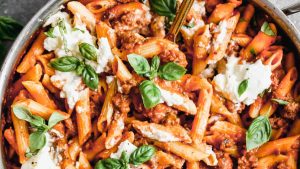
One pan recipes are all about simplicity, efficiency, and balance. But the key to making them work lies in selecting the right ingredients. The success of a one pan meal isn’t just about throwing food into a pan—it’s about picking items that cook evenly, taste great together, and create a balanced, satisfying meal.
Choosing the wrong ingredients can lead to uneven cooking, soggy vegetables, or undercooked protein. On the other hand, smart ingredient choices make cooking easier, reduce prep time, and ensure a delicious result every time.
This guide will explain how to select ingredients for one pan recipes, including proteins, vegetables, carbohydrates, herbs, spices, and oils. It’s written for beginners and anyone looking to simplify cooking without sacrificing flavor or nutrition.
Start With the Protein
Protein is usually the centerpiece of a one pan meal. It provides structure, flavor, and nutritional balance. Choosing the right protein is crucial because different proteins have different cooking times and methods.
Best Protein Choices for One Pan Recipes
-
Chicken: Thighs cook evenly and remain juicy; breasts are lean but cook faster.
-
Fish: Salmon, cod, or tilapia cook quickly and pair well with vegetables.
-
Shrimp or Scallops: Excellent for fast one pan meals since they cook in minutes.
-
Tofu or Tempeh: Perfect for vegetarian or plant-based recipes; absorbs flavors easily.
-
Ground Meat: Beef, turkey, or chicken can be crumbled and cooked alongside vegetables.
-
Eggs: Ideal for breakfast or dinner hashes where you cook everything in one skillet.
Tips for Choosing Protein
-
Consider cooking time: Thin or smaller proteins cook faster; thicker proteins may need pre-cooking or longer baking.
-
Choose complementary flavors: Match the protein with vegetables and seasonings that naturally pair well.
-
Think about texture: Protein that crisps or roasts well enhances the overall dish.
How This Helps
Starting with the right protein sets the foundation. It ensures even cooking, keeps your meal balanced, and reduces the need for extra steps.
Choose Vegetables That Cook Well Together
Vegetables are essential for one pan meals—they provide color, flavor, nutrients, and bulk. The key is to choose vegetables that cook at roughly the same rate or adjust their size and timing.
Quick-Cooking Vegetables
-
Zucchini, bell peppers, mushrooms, spinach, cherry tomatoes
-
These soften quickly and can be added later in the cooking process
Slow-Cooking Vegetables
-
Carrots, potatoes, sweet potatoes, broccoli stems, cauliflower
-
These require more time or smaller pieces to cook evenly with protein
Tips for Combining Vegetables
-
Cut slow-cooking vegetables smaller than fast-cooking ones.
-
Layer or stagger cooking times: Add quicker vegetables partway through roasting or sautéing.
-
Use a mix of colors for visual appeal and balanced nutrition.
How This Helps
Selecting vegetables thoughtfully prevents overcooked or undercooked ingredients. It also ensures your one pan meal is colorful, satisfying, and nutritionally balanced.
Include Carbohydrates Thoughtfully
Carbohydrates are optional but can make one pan meals more filling and complete. Common choices include:
-
Potatoes or Sweet Potatoes: Roast well with protein and vegetables.
-
Rice or Quinoa: Can sometimes be cooked directly in a deep pan with broth.
-
Pasta: Works for skillet meals where the sauce and pasta cook together.
-
Legumes: Beans or lentils add protein and bulk, especially for vegetarian dishes.
Tips for Including Carbohydrates
-
Adjust size and cooking method: Small diced potatoes roast faster than large chunks.
-
Consider pre-cooked grains for faster meals.
-
Use broth or water carefully when cooking rice or pasta in one pan to avoid dryness or overcooking.
How This Helps
Smart carb selection balances the meal and ensures it cooks evenly with your other ingredients. It also prevents overloading the pan, which can affect texture.
Herbs and Spices Are Essential Flavor Enhancers
One pan meals rely on seasoning because you don’t usually have multiple sauces or side dishes. Fresh or dried herbs and spices elevate flavor without extra effort.
Popular Herbs and Spices
-
Garlic and Onion: Basics that add depth to almost any dish
-
Paprika, Chili Flakes, or Cumin: Add warmth and complexity
-
Rosemary, Thyme, Parsley, or Basil: Fresh or dried herbs complement proteins and vegetables
-
Lemon or Vinegar: Adds brightness and prevents dishes from tasting heavy
Tips for Using Herbs and Spices
-
Toss directly in the pan with oil for even coating.
-
Use hearty herbs like rosemary at the start; delicate herbs like parsley toward the end.
-
Avoid over-seasoning. Simple combinations often work best.
How This Helps
Using the right herbs and spices ensures one pan meals are flavorful without relying on sauces or processed ingredients. This simplifies prep and keeps cooking quick.
Oils and Fats for One Pan Cooking
The right oil or fat affects both flavor and cooking performance. For most one pan meals:
-
Olive Oil: Great for roasting or sautéing; adds light flavor
-
Avocado Oil: High smoke point, perfect for high-temperature roasting
-
Butter: Adds richness; can be combined with oil to prevent burning
-
Coconut Oil: Works well with certain proteins or Asian-inspired flavors
Tips
-
Use minimal oil: One or two tablespoons is usually enough for a sheet pan or skillet.
-
Toss ingredients evenly so oil coats everything lightly.
How This Helps
Proper oil selection prevents sticking, enhances flavor, and ensures even browning without adding unnecessary calories.
Consider Cooking Times and Texture
When choosing ingredients, consider how long each item takes to cook and how it will feel when done.
Practical Examples
-
Chicken breast cooks in about 25–30 minutes at 400°F; add root vegetables first and faster-cooking vegetables halfway through.
-
Salmon fillets cook in 12–15 minutes; add asparagus or cherry tomatoes during the last 10 minutes.
-
Tofu needs 20–25 minutes to crisp; mix with slow-cooking vegetables in the same time frame.
How This Helps
Thinking about cooking times prevents undercooked or overcooked ingredients. You avoid frustration and ensure the meal is ready at the same time.
Seasonal and Fresh Ingredients Work Best
Choosing ingredients based on season improves flavor and reduces prep time:
-
Seasonal vegetables are fresher and often cook faster.
-
Fresh protein has better texture and flavor.
-
Using fewer processed ingredients simplifies cooking.
Example
Summer: zucchini, bell peppers, cherry tomatoes, and fish
Winter: carrots, potatoes, cabbage, and chicken
How This Helps
Seasonal ingredients require less seasoning and preparation. They naturally enhance flavor, saving both time and effort.
Tips for Easy One Pan Ingredient Selection
-
Stick to 3–5 main ingredients for simplicity.
-
Mix textures: soft vegetables with crispier proteins.
-
Consider leftovers: Cook grains or proteins that can be used in other meals.
-
Keep a stock of versatile staples like onions, garlic, bell peppers, chicken, and potatoes.
How This Helps
Simplifying ingredient selection reduces decision fatigue, streamlines prep, and ensures a successful meal every time.
Common Mistakes to Avoid
-
Choosing ingredients with drastically different cooking times without adjustment
-
Overcrowding the pan, which prevents even cooking
-
Using too many delicate vegetables at the start, which can burn or overcook
-
Ignoring seasoning, which leads to bland results
Avoiding these mistakes makes your one pan cooking faster, easier, and more consistent.
Conclusion
Choosing ingredients for one pan recipes is the foundation of a successful, efficient, and flavorful meal. Start with the right protein, select vegetables that cook at compatible rates, include carbohydrates thoughtfully, and enhance flavor with herbs, spices, and oil.
By considering cooking times, textures, and seasonal produce, you simplify both preparation and cooking. Proper ingredient selection reduces stress, limits cleanup, and ensures every meal is balanced and satisfying.
The key takeaway: planning your ingredients before cooking makes one pan meals faster, easier, and more reliable. When you master ingredient selection, you unlock the full potential of one pan cooking, turning simple meals into everyday wins.
FAQs
1. Can I mix raw and pre-cooked ingredients in one pan?
Yes, but add pre-cooked ingredients later in the cooking process to prevent overcooking.
2. How do I know which vegetables cook fastest?
Soft vegetables like zucchini, spinach, and cherry tomatoes cook quickly; root vegetables like carrots, potatoes, and cauliflower take longer.
3. Can I use frozen vegetables for one pan meals?
Yes. Frozen vegetables work well, but you may need slightly longer cooking time and should avoid overcrowding.
4. How do I balance flavor when choosing ingredients?
Use complementary proteins, vegetables, and spices. For example, lemon and garlic pair well with fish and asparagus, while paprika works with chicken and potatoes.
5. Can one pan meals be vegetarian?
Absolutely. Use tofu, tempeh, beans, or lentils as protein, combine with seasonal vegetables, and add grains for a complete, balanced meal.