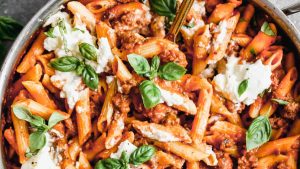
If you want home-cooked food but don’t want to spend hours cooking and cleaning, baking complete meals in one pan is one of the most practical solutions. Instead of preparing protein in one pot, vegetables in another, and grains somewhere else, you combine everything on a single tray or in a single baking dish. The oven does most of the work, and you avoid standing over the stove.
This method solves real-life problems: limited time, limited energy, and too many dishes. When you bake complete meals in one pan, you simplify both cooking and cleanup. It becomes easier to eat balanced meals regularly because the process feels manageable.
The key is understanding how to combine ingredients properly so everything cooks evenly and tastes good together. Once you learn the basics, you can mix and match ingredients confidently.
Choose the Right Pan for Even Baking
The first step in baking complete meals in one pan is choosing the correct pan size and type. This decision directly affects how evenly your food cooks.
Best Pan Options
-
Large sheet pan for roasted proteins and vegetables
-
Deep baking dish for meals with sauces or grains
-
Cast iron skillet for oven-friendly meals
Why Size Matters
If the pan is too small, ingredients will overlap. Overcrowding causes steaming instead of roasting, which leads to soggy vegetables and unevenly cooked protein. A large pan allows heat to circulate, creating better texture and flavor.
For most complete one pan meals, a standard large sheet pan works perfectly. It gives enough space to spread ingredients in a single layer.
Build a Balanced One Pan Meal Structure
To bake a complete meal in one pan, you need balance. A good structure ensures the meal is satisfying and not missing any important components.
Simple One Pan Meal Formula
-
Protein (chicken, fish, tofu, beans, eggs, or beef)
-
Vegetables (at least two varieties for color and nutrition)
-
Carbohydrates (potatoes, sweet potatoes, rice, or pasta)
-
Seasoning and light oil
Real-Life Example
Place chicken thighs, cubed sweet potatoes, and broccoli on a sheet pan. Drizzle with olive oil and season with salt, pepper, and garlic. Roast until everything is cooked through.
This creates a complete meal without extra steps.
How This Helps
Following a simple formula prevents confusion. Instead of searching for complicated recipes, you use ingredients you already have and combine them wisely.
Understand Cooking Times Before You Bake
One of the biggest challenges in one pan oven meals is different cooking times. Some ingredients cook faster than others.
General Cooking Guidelines
-
Hard vegetables like potatoes and carrots take longer.
-
Softer vegetables like zucchini cook faster.
-
Fish cooks faster than chicken or beef.
-
Thin protein pieces cook quicker than thick ones.
Practical Solution
Cut slow-cooking vegetables smaller so they cook at the same speed as protein. You can also start roasting hard vegetables first for 10 minutes, then add faster-cooking ingredients.
Why This Matters
Understanding cooking times prevents burnt vegetables and undercooked protein. This makes your meals reliable and enjoyable instead of frustrating.
Prepare Ingredients Properly for Even Results
Proper preparation makes baking complete meals in one pan much easier.
Cut Ingredients Evenly
-
Chop vegetables into similar sizes.
-
Trim excess fat from meat.
-
Keep pieces consistent for even roasting.
Spread in a Single Layer
Always spread ingredients out so they are not stacked on top of each other. If needed, use two pans instead of overcrowding one.
How This Helps
Even cutting and spacing ensure everything cooks at the same rate. This improves texture and flavor without extra effort.
Use Simple Seasoning for Balanced Flavor
You don’t need complicated sauces to bake complete meals in one pan. Simple seasoning is often enough.
Easy Flavor Combinations
-
Olive oil, garlic, salt, and pepper
-
Lemon juice and herbs
-
Paprika, cumin, and a pinch of chili flakes
-
Soy sauce with ginger
Practical Tip
Toss ingredients with oil and seasoning directly on the pan. This reduces the need for mixing bowls and extra cleanup.
Why This Helps
Simple seasoning highlights natural flavors. It keeps meals light and avoids heavy sauces that can make food soggy during baking.
Roast at the Right Temperature
Oven temperature affects both texture and cooking time.
Recommended Range
Most one pan meals bake well between 375°F and 425°F (190°C to 220°C).
-
Lower temperatures cook gently.
-
Higher temperatures create browning and crisp edges.
Why Browning Matters
Browning enhances flavor and improves texture. When vegetables caramelize slightly, they taste richer without extra ingredients.
Avoid opening the oven door too often, as this reduces temperature and extends cooking time.
Try These Complete One Pan Meal Ideas
Here are practical examples you can use immediately.
One Pan Chicken and Potatoes
Place seasoned chicken thighs with diced potatoes and carrots on a sheet pan. Roast until golden and tender. Add green beans in the last 10 minutes.
One Pan Salmon and Vegetables
Place salmon fillets with asparagus and cherry tomatoes. Drizzle with olive oil and lemon juice. Bake until salmon flakes easily.
One Pan Tofu and Roasted Vegetables
Cube tofu and combine with broccoli, bell peppers, and zucchini. Season with soy sauce and garlic before roasting.
Why These Work
Each example combines protein, vegetables, and sometimes carbohydrates in one space. They require minimal preparation and minimal cleanup.
Use Foil or Parchment for Easier Cleanup
One of the biggest benefits of baking in one pan is easy cleanup. You can make it even easier by lining your pan.
How to Do It
-
Line the sheet pan with parchment paper or foil.
-
Make sure edges are slightly raised to catch juices.
After cooking, remove the liner and quickly rinse the pan.
Why This Helps
It prevents stuck-on food and saves time scrubbing. Less cleanup means you are more likely to cook again tomorrow.
Avoid Common Mistakes When Baking One Pan Meals
Even simple cooking can go wrong if you overlook small details.
Overcrowding the Pan
Too many ingredients cause steaming instead of roasting.
Using Too Much Oil
A light drizzle is enough. Excess oil makes food greasy.
Adding Sauce Too Early
Watery sauces can prevent browning. Add thicker sauces toward the end if needed.
How This Helps
Avoiding these mistakes improves both taste and texture while keeping cleanup minimal.
Plan Ahead for Faster One Pan Dinners
Planning makes baking complete meals even easier.
Simple Planning Strategy
-
Choose two proteins for the week.
-
Buy versatile vegetables that roast well.
-
Keep basic seasonings ready.
When ingredients are prepared and available, you reduce last-minute stress.
Real-World Benefit
Instead of asking “What should I cook tonight?” you simply combine what you already have into a balanced one pan meal.
Make One Pan Baking a Habit
The more often you bake complete meals in one pan, the more confident you become. You will start recognizing cooking times and flavor combinations naturally.
Cooking becomes less about following strict recipes and more about understanding basic principles. This builds long-term confidence and independence in the kitchen.
One pan baking is not about fancy presentation. It is about practical, consistent cooking that fits into real life.
Conclusion
If you want to bake complete meals in one pan, focus on three key steps: choose the right pan, balance your ingredients, and understand cooking times. Combine protein, vegetables, and carbohydrates in a single layer, season simply, and roast at the right temperature.
By cutting ingredients evenly, avoiding overcrowding, and lining your pan for easy cleanup, you create meals that are both satisfying and efficient. The oven does most of the work, and you avoid juggling multiple pots and pans.
The biggest benefit is sustainability. When cooking feels simple and cleanup is minimal, you are more likely to prepare home-cooked meals regularly. And consistency is what truly makes a difference in your daily routine.
FAQs
1. Can I cook rice directly in a one pan baked meal?
Yes, but use a deep baking dish and enough liquid. Rice needs moisture to cook properly in the oven.
2. How do I know when protein is fully cooked?
Chicken should be cooked until juices run clear and the inside is no longer pink. Fish should flake easily with a fork.
3. Can I use frozen vegetables?
Yes, but avoid overcrowding and expect slightly longer cooking times.
4. What temperature is best for one pan oven meals?
Most meals bake well between 375°F and 425°F, depending on how much browning you prefer.
5. How do I keep vegetables from burning?
Cut them evenly, use moderate heat, and check them during cooking. Add delicate vegetables later if needed.