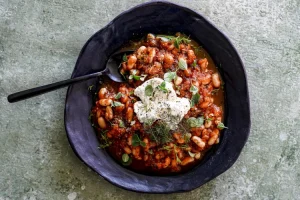
Learning to cook can feel overwhelming, especially when life is already busy. Many beginners believe that good meals require advanced skills, expensive ingredients, or hours in the kitchen. That belief often leads to dependence on takeout, instant foods, or skipping meals altogether.
But here’s something encouraging: you don’t need years of experience to cook great meals quickly. In fact, beginners can master 20-minute cooking faster than they expect — with the right mindset, simple techniques, and a clear system to follow.
Fast cooking isn’t about rushing or cutting corners. It’s about efficiency, preparation, and knowing what actually matters in the kitchen. Once you learn a few core skills, you’ll be able to prepare healthy, satisfying meals confidently — even on your busiest days.
This complete beginner-friendly guide explains exactly how to master 20-minute cooking step by step. You’ll learn essential skills, smart shortcuts, time-saving methods, and realistic habits that turn quick cooking into a lifelong skill.
Why 20-Minute Cooking Is the Best Starting Point for Beginners
Many beginners try complicated recipes and feel discouraged when things don’t go perfectly. Long cooking times, multiple steps, and unfamiliar techniques can make the process stressful instead of enjoyable.
20-minute cooking solves this problem by focusing on:
-
Simple ingredients
-
Basic techniques
-
Minimal preparation
-
Quick results
Short cooking times build confidence. When you see results quickly, you stay motivated to keep learning.
Fast cooking also helps beginners develop practical life skills like meal planning, portion control, and kitchen organization — all essential for long-term healthy eating.
Most importantly, quick meals make home cooking realistic. If cooking fits into your daily routine, it becomes a habit instead of a challenge.
The Beginner Mindset: Simplicity Over Perfection
Before learning techniques, beginners need the right mindset. Many people delay cooking because they fear mistakes. But mistakes are normal — even experienced cooks make them.
To master 20-minute cooking, focus on:
-
Progress, not perfection
-
Learning basic skills first
-
Repeating simple meals
-
Keeping recipes short
Remember: a simple homemade meal is almost always better than an unhealthy convenience option.
Confidence grows through repetition, not complexity.
Essential Kitchen Tools Every Beginner Needs
You don’t need a fully equipped professional kitchen. A few reliable tools are enough to cook most quick meals.
Basic essentials include:
-
Non-stick frying pan
-
Medium cooking pot
-
Sharp knife
-
Cutting board
-
Wooden spoon or spatula
-
Measuring cups or spoons
Optional but helpful:
-
Microwave
-
Electric kettle
-
Food storage containers
When tools are simple and accessible, cooking becomes faster and less stressful.
Step-by-Step System to Master 20-Minute Cooking
Beginners often struggle because they don’t have a clear process. Follow this structured system every time you cook.
Step 1: Choose a simple meal idea (2 minutes)
Pick meals with few ingredients and minimal steps, such as:
-
Egg dishes
-
Stir-fries
-
Rice bowls
-
Wraps
-
Pasta with vegetables
Avoid complicated recipes at the beginning.
Step 2: Prepare ingredients before cooking (5 minutes)
This step saves the most time later.
-
Wash vegetables
-
Chop ingredients
-
Measure spices
-
Keep everything within reach
Professional cooks call this preparation “mise en place.” It prevents confusion during cooking.
Step 3: Use fast cooking techniques (10 minutes)
Choose methods that cook food quickly:
-
Stir-frying
-
Pan cooking
-
Boiling
-
Steaming
-
Microwaving
These methods require less monitoring and produce quick results.
Step 4: Season simply and serve (3 minutes)
Use basic seasonings:
-
Salt and pepper
-
Lemon juice
-
Garlic powder
-
Olive oil
Complex sauces are not necessary for beginners.
Ingredients That Cook Fast and Are Beginner-Friendly
Some foods are naturally quick and easy to prepare. Beginners should rely on these often.
Fast proteins
-
Eggs
-
Canned beans
-
Tofu
-
Fish fillets
-
Pre-cooked chicken
Quick carbohydrates
-
Instant rice
-
Couscous
-
Oats
-
Whole grain bread
-
Boiled potatoes (small pieces)
Quick vegetables
-
Spinach
-
Frozen vegetable mixes
-
Cherry tomatoes
-
Mushrooms
-
Bell peppers
When your ingredients cook quickly, the entire meal becomes easier.
5 Easy 20-Minute Meals Beginners Can Master
1. Vegetable Egg Scramble
Cook eggs with chopped vegetables in one pan. Serve with toast.
Why it works: simple, nutritious, and very fast.
2. Chicken Stir-Fry Bowl
Cook small chicken pieces with mixed vegetables. Serve over rice.
Why it works: one pan, balanced nutrition.
3. Bean & Avocado Wrap
Spread beans in a wrap, add vegetables and avocado.
Why it works: no cooking required.
4. Quick Pasta with Vegetables
Boil pasta, mix with sautéed vegetables and olive oil.
Why it works: familiar and beginner-friendly.
5. Yogurt Fruit Power Bowl
Mix yogurt, fruit, and nuts.
Why it works: healthy and ready in minutes.
Time-Saving Habits That Make Cooking Easier Every Day
Successful quick cooking depends on habits more than skill.
Keep your kitchen stocked
Always have essential ingredients ready.
Cook extra portions
Leftovers save time later.
Clean while cooking
Prevents post-meal stress.
Plan simple meals ahead
Even a basic plan reduces decision-making.
Common Beginner Mistakes — And How to Avoid Them
Trying complicated recipes too soon
Start simple and build confidence.
Cooking without preparation
Always prepare ingredients first.
Using too many ingredients
Fewer ingredients mean faster cooking.
Ignoring timing
Cook faster items later to avoid overcooking.
Expecting perfection immediately
Cooking improves with practice.
How to Stay Motivated While Learning
Motivation is often the biggest challenge for beginners.
Try these strategies:
-
Set a goal to cook 3 times per week
-
Repeat meals you enjoy
-
Celebrate small improvements
-
Track time saved compared to takeout
-
Remember why you started
Cooking is a skill that grows naturally with consistency.
Health and Financial Benefits of Mastering Quick Cooking
Learning to cook fast meals offers real-life benefits beyond convenience.
Health advantages
-
Better nutrition
-
Fewer processed foods
-
Improved portion control
Financial benefits
-
Lower food expenses
-
Less food waste
-
Reduced reliance on delivery
Lifestyle improvements
-
More independence
-
Greater confidence
-
Stronger daily routine
These benefits make quick cooking a valuable life skill.
Conclusion
Mastering 20-minute cooking is one of the most practical and empowering skills beginners can develop. It transforms cooking from a stressful chore into a manageable daily habit. By focusing on simple recipes, quick ingredients, and efficient preparation, anyone can learn to cook satisfying meals in a short amount of time. The key is consistency, not perfection, and progress comes naturally with regular practice. When beginners follow a structured system, keep their kitchen organized, and build confidence through repetition, fast cooking becomes second nature. Over time, these small daily efforts lead to better health, financial savings, and greater independence. Cooking doesn’t need to be complicated to be meaningful. With patience, practice, and the right approach, anyone can confidently prepare nourishing meals in just 20 minutes — and enjoy the process along the way.
Frequently Asked Questions
1. How long does it take to learn 20-minute cooking?
Most beginners become comfortable within 2–4 weeks of regular practice.
2. Do I need cooking experience to start?
No. Many quick meals require only basic skills like chopping and stirring.
3. What is the easiest meal for absolute beginners?
Egg dishes are the easiest. They cook quickly and require minimal ingredients.
4. Is fast cooking less healthy?
Not at all. Nutrition depends on ingredients, not cooking time.
5. How can I cook faster without stress?
Prepare ingredients first, choose simple meals, and keep your kitchen organized.