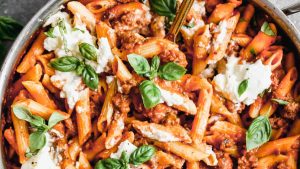
One of the biggest reasons people avoid cooking at home is not the cooking itself — it’s the cleanup afterward. You might enjoy preparing food, but facing a sink full of pots, pans, cutting boards, spoons, and plates can instantly drain your motivation. This is a real, everyday problem in busy households.
One pan recipes directly solve this issue. Instead of using multiple cooking tools, you prepare the entire meal in a single pan, tray, or skillet. That one change significantly reduces the number of items you need to wash. Fewer tools used means fewer tools to clean. It sounds simple, but the impact on your daily routine is surprisingly powerful.
When cleanup feels manageable, cooking at home becomes sustainable instead of stressful.
Fewer Cooking Tools Means Fewer Items to Wash
Traditional cooking often requires separate pans for protein, vegetables, and grains. You may also use a saucepan for sauce, another for boiling, and a baking tray for roasting. That adds up quickly.
With one pan recipes, everything cooks together in the same space. For example:
-
Chicken, potatoes, and vegetables roast together on one sheet pan.
-
Rice, vegetables, and protein simmer in one deep skillet.
-
Stir-fried ingredients cook together in a single wok or pan.
By limiting yourself to one main cooking surface, you eliminate multiple pots and extra utensils.
How This Helps You
Instead of washing four or five pans, you wash one. Instead of scrubbing different surfaces, you clean a single item. This saves water, dish soap, and most importantly, time.
For anyone who cooks daily, that time adds up quickly over a week.
One Pan Cooking Reduces Cross-Mess on the Stove
Another hidden cleanup problem comes from splashes and spills. When cooking on multiple burners, oil can splatter from one pan while sauce bubbles over in another. Spills spread across the stovetop and even onto nearby counters.
One pan recipes naturally limit this mess. Since you focus on one cooking area:
-
There are fewer splatter zones.
-
You monitor one pan instead of several.
-
It’s easier to control heat and prevent boiling over.
For example, when roasting everything on a sheet pan in the oven, your stovetop remains completely clean.
Why This Matters
Cleaning a greasy stovetop can take longer than washing dishes. Reducing splatter keeps your kitchen looking tidy and saves you from deep scrubbing after every meal.
Simple Ingredient Prep Means Less Counter Clutter
Many complicated recipes require separate bowls for marinating, mixing, or seasoning. Before you even start cooking, your counter may already be full of dirty dishes.
One pan recipes often skip unnecessary steps. You can:
-
Season ingredients directly in the pan.
-
Toss vegetables with oil and spices on the tray itself.
-
Add sauces straight into the skillet.
Instead of using extra mixing bowls, you keep everything in one place.
Real-Life Example
Rather than marinating chicken in one bowl and seasoning vegetables in another, you can place both on a sheet pan, drizzle oil, sprinkle spices, and toss everything together using your hands or a spoon.
How This Helps
Less prep equipment means fewer dishes to wash and more open counter space while cooking. A clear counter also makes your kitchen feel less chaotic.
Lining the Pan Makes Cleanup Even Easier
One of the smartest ways to make one pan recipes even cleaner is using parchment paper or foil.
How to Do It Properly
-
Line your sheet pan before adding food.
-
Make sure edges are slightly raised to catch juices.
-
Avoid overcrowding to prevent spills.
After cooking, you can simply remove the lining and wipe the pan quickly.
Why This Works
Most stuck-on food and grease stays on the liner. Instead of scrubbing baked-on residue, you throw away the liner and rinse the pan lightly.
This method is especially helpful for roasted vegetables, sticky sauces, or foods that release natural juices.
Combined Cooking Builds Flavor Without Extra Dishes
In traditional cooking, you may cook ingredients separately to avoid flavor mixing. However, this creates extra dishes and extra steps.
One pan recipes take advantage of combined cooking. As ingredients roast or sauté together, they share flavors naturally. For example:
-
Chicken juices flavor vegetables.
-
Spices spread evenly across all ingredients.
-
Garlic and herbs infuse everything in the pan.
Because flavors develop in the same space, you do not need additional saucepans or reduction steps.
How This Reduces Cleanup
You avoid:
-
Separate sauce pans.
-
Extra mixing bowls.
-
Additional reheating dishes.
Everything happens in one pan from start to finish.
One Pan Meals Minimize Utensil Use
Think about how many utensils you typically use: spatulas, tongs, spoons, ladles, strainers, and more. Multi-step cooking requires switching tools frequently.
With one pan recipes, you often need only:
-
One spatula or spoon.
-
One knife for chopping.
-
One cutting board.
That’s it.
Practical Tip
Choose recipes that do not require draining or transferring food between containers. For example, instead of boiling pasta in one pot and making sauce in another, try a one pan pasta dish where everything cooks together.
Why This Helps
Fewer utensils mean faster cleanup. Washing one spoon is much easier than cleaning multiple tools covered in different sauces and oils.
Oven One Pan Recipes Keep the Kitchen Cleaner
Cooking in the oven is one of the easiest ways to reduce kitchen mess. When you roast everything on a single tray:
-
There’s no oil splatter across the stove.
-
You don’t need multiple burners.
-
Steam and grease stay contained inside the oven.
This is especially helpful for busy weeknights. You place the tray in the oven and let it cook without constant stirring.
How This Reduces Cleanup
Since everything cooks in a contained space, you only need to wash the tray. The stovetop and surrounding counter stay clean.
This makes oven-based one pan dinners a practical solution for anyone who dislikes scrubbing surfaces after cooking.
One Pan Recipes Simplify Meal Planning and Storage
Cleanup doesn’t end after cooking. Storing leftovers can create additional dishes if food is spread across multiple containers.
With one pan meals, everything is already combined. You can:
-
Let the pan cool slightly.
-
Transfer the entire meal into one storage container.
-
Store leftovers together instead of separately.
Why This Matters
When food is cooked and stored in a simple way, you avoid cluttering your refrigerator with multiple small containers. Fewer containers mean fewer items to wash later.
Less Cleanup Encourages More Home Cooking
The psychological benefit of one pan recipes is often overlooked. When cooking feels like a huge cleanup task, you are more likely to skip it altogether.
But when you know that:
-
You will only wash one pan,
-
The counter will stay mostly clean,
-
Cleanup will take five minutes,
Cooking becomes less intimidating.
Real-World Impact
This small shift can help you build a consistent cooking habit. Instead of associating home cooking with stress, you associate it with simplicity.
And when something feels easy, you are more likely to repeat it.
Common Mistakes That Increase Cleanup (And How to Avoid Them)
Even with one pan recipes, certain mistakes can create unnecessary mess.
Overcrowding the Pan
When food overlaps too much, juices overflow and spill onto the oven floor or stovetop. Always spread ingredients in a single layer.
Skipping Preheating
Adding food to a cold pan can cause sticking, which leads to scrubbing later. Preheat properly to prevent this.
Using Too Much Sauce
Excess liquid can burn and stick. Add sauces gradually instead of pouring everything at once.
How This Helps
By avoiding these mistakes, you keep cleanup minimal and maintain the true benefit of one pan cooking.
Time Saved on Cleaning Adds Up
Let’s be realistic. If traditional cooking leaves you cleaning for 20 to 30 minutes after dinner, and one pan recipes reduce that to 5 to 10 minutes, you save valuable time each day.
Over a week, that can mean:
-
More time to relax.
-
More time with family.
-
Less stress before bedtime.
This is not about perfection or fancy meals. It’s about practical time management in everyday life.
Conclusion
One pan recipes reduce kitchen cleanup because they limit the number of cooking tools, contain mess in a single space, minimize splatter, reduce utensil use, and simplify storage. They turn cooking into a streamlined process instead of a multi-step operation that leaves your kitchen in chaos.
By choosing the right pan, lining it properly, avoiding overcrowding, and keeping seasoning simple, you can significantly cut down on post-meal cleaning time. The result is not just a cleaner kitchen — it’s a more realistic and sustainable approach to home cooking.
When cleanup feels quick and easy, cooking feels worth it. And that small change can make a big difference in your daily routine.
FAQs
1. Are one pan recipes really faster to clean up?
Yes. Since you use fewer pots, pans, and utensils, you spend less time washing dishes and wiping surfaces after cooking.
2. Do one pan meals compromise flavor?
Not at all. In many cases, cooking ingredients together enhances flavor because juices and seasonings mix naturally.
3. What is the best pan for easy cleanup?
Non-stick skillets and sheet pans lined with parchment paper are usually the easiest to clean.
4. Can I meal prep using one pan recipes?
Yes. Many one pan meals store well and can be portioned into containers for later use, which keeps cleanup simple and organized.
5. How can I prevent food from sticking in one pan meals?
Preheat the pan properly, use a small amount of oil, and avoid overcrowding. These simple steps reduce sticking and make washing easier.