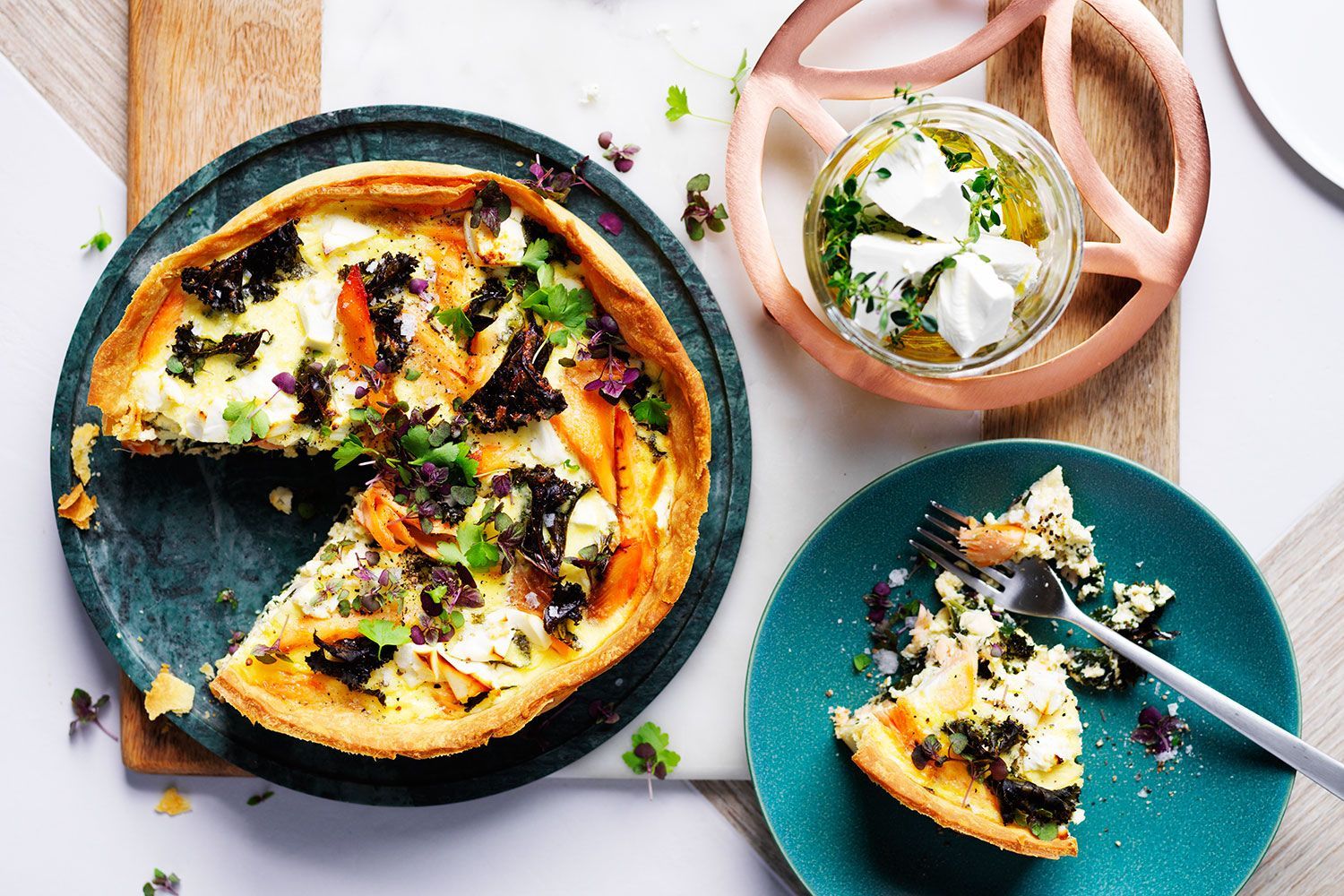
We all want to eat well without feeling guilty about the food we throw away. But between forgotten leftovers, vegetable scraps, and half-used ingredients, it’s easy for food to go to waste. That’s where zero waste recipes come in—they help you transform every bit of food into delicious meals, saving money, time, and the planet.
I’ve personally faced the frustration of tossing perfectly good ingredients and realized that with a few creative strategies, you can turn almost anything into a tasty dish. In this guide, I’ll share practical tips, beginner-friendly recipes, and ways to make zero waste cooking a natural part of your routine.
Why Zero Waste Cooking Matters
Reducing food waste isn’t just about saving money—it’s about sustainability, nutrition, and smarter cooking. Here’s what I’ve learned:
-
Environmental impact: Wasting food contributes to unnecessary landfill waste and greenhouse gas emissions.
-
Financial savings: Using all your ingredients reduces grocery costs.
-
Healthier meals: Planning and utilizing fresh ingredients encourages balanced, mindful eating.
-
Creativity in the kitchen: Zero waste cooking sparks innovation—turning scraps into delicious meals.
Principles of Zero Waste Recipes
To cook zero waste meals successfully, I follow a few key strategies:
1. Plan Your Meals
Meal planning prevents overbuying and ensures you use ingredients before they spoil. I keep a simple weekly plan and adjust recipes based on what’s in my fridge.
2. Use Scraps Creatively
Vegetable peels, stems, and leftover bits aren’t trash—they’re flavor goldmines. Some ideas:
-
Make vegetable broth from onion skins, carrot tops, celery leaves.
-
Sauté broccoli stems or cauliflower leaves with garlic and olive oil.
-
Blend overripe fruits into smoothies or baking recipes.
3. Store Ingredients Properly
Proper storage extends the life of vegetables, fruits, and herbs. Use airtight containers, freeze extras, and separate sensitive produce to avoid early spoilage.
4. Reinvent Leftovers
Transform yesterday’s meals into new dishes. For example:
-
Roast chicken leftovers → chicken salad or soup
-
Leftover rice → stir-fry or rice cakes
-
Mashed potato leftovers → potato pancakes
5. Embrace Whole Ingredients
Buy vegetables, fruits, and grains whole whenever possible. Using full items, including stems and skins, maximizes nutrition and reduces waste.
Beginner-Friendly Zero Waste Recipes
Here are practical recipes I personally rely on, all focused on using what you already have.
1. Vegetable Scrap Broth
Ingredients:
-
Onion skins, carrot tops, celery leaves, mushroom stems, garlic cloves
-
Water
-
Salt, pepper, and herbs
Steps:
-
Place all vegetable scraps in a large pot.
-
Cover with water and bring to a boil. Simmer 30–40 minutes.
-
Strain and season. Use as a base for soups, risottos, or sauces.
Why it works: Turns kitchen scraps into flavorful liquid without waste.
2. Overripe Banana Pancakes
Ingredients:
-
2 overripe bananas
-
1 cup oats
-
2 eggs
-
Cinnamon, optional
Steps:
-
Blend bananas, oats, and eggs into a batter.
-
Cook on a non-stick skillet 2–3 minutes per side.
-
Serve with fresh fruit or honey.
Why it works: Saves overripe bananas from the trash and makes a sweet, healthy breakfast.
3. Broccoli Stem Stir-Fry
Ingredients:
-
Broccoli stems (peeled if tough)
-
1 tsp olive oil
-
Garlic, soy sauce, and chili flakes
Steps:
-
Slice stems thinly.
-
Heat oil, sauté garlic and stems 3–5 minutes.
-
Add soy sauce and chili flakes, cook 2 more minutes.
Why it works: Uses parts of broccoli often discarded, giving a crunchy, flavorful dish.
4. Leftover Rice Frittata
Ingredients:
-
1 cup cooked rice
-
2 eggs
-
Leftover vegetables
-
Salt, pepper, herbs
Steps:
-
Whisk eggs with salt, pepper, and herbs.
-
Mix in leftover rice and vegetables.
-
Cook in a skillet until set, flipping once if needed.
Why it works: Reinvents leftover rice and veggies into a hearty, minimal-waste meal.
5. Citrus Peel Infused Water
Ingredients:
-
Orange, lemon, or lime peels
-
Water
-
Optional: mint leaves
Steps:
-
Add citrus peels to a pitcher of water.
-
Refrigerate for 1–2 hours.
-
Serve chilled.
Why it works: Reduces peel waste and makes refreshing, naturally flavored water.
Practical Tips for Zero Waste Cooking
-
Freeze extras: Herbs, vegetable scraps, or leftover sauces freeze well for later use.
-
Compost unavoidable waste: Even if you can’t cook it, composting reduces landfill impact.
-
Label leftovers: Keeps track of what you have to prevent spoilage.
-
Batch prep: Chop veggies and store for multiple recipes to save time.
-
Use versatile ingredients: Beans, grains, and eggs can be adapted for multiple meals.
Common mistakes to avoid:
-
Ignoring peels and stems (often nutrient-rich)
-
Buying in bulk without a plan (leads to waste)
-
Forgetting about frozen ingredients (they last much longer than fresh)
Additional Zero Waste Recipe Ideas
-
Carrot Top Pesto – Use carrot greens blended with olive oil, garlic, and nuts.
-
Cauliflower Leaf Chips – Roast with olive oil and salt.
-
Stale Bread Croutons – Toast for soups or salads.
-
Fruit Smoothies – Blend overripe fruits and vegetables for drinks or popsicles.
-
Vegetable Stir-Fry with Leftover Protein – Chicken, tofu, or beans make it hearty.
FAQs About Zero Waste Cooking
1. Is zero waste cooking time-consuming?
Not at all. Once you plan and store ingredients efficiently, zero waste meals can be quick and easy.
2. Can zero waste recipes be healthy?
Yes! They emphasize using fresh, whole ingredients and reduce reliance on processed foods.
3. Can leftovers really taste good?
Absolutely. Many leftovers transform into delicious soups, casseroles, or stir-fries with minimal effort.
4. Do I need special storage containers?
A few airtight containers and freezer-safe bags are enough to organize and preserve ingredients.
5. Can zero waste cooking save money?
Yes. Using scraps, leftovers, and planning meals reduces grocery spending significantly.
Conclusion: Delicious Meals Without the Waste
Zero waste cooking is a lifestyle shift that benefits your wallet, your health, and the planet. By creatively using ingredients, repurposing leftovers, and planning meals, you can enjoy delicious, satisfying meals without throwing food away.
Start small: make vegetable scrap broth, repurpose overripe fruits, or transform leftovers into a new dish. Over time, zero waste cooking becomes second nature, and you’ll notice less stress, fewer trips to the grocery store, and more flavorful meals.